

7 Tips for Buying Clothes Online Safely in 2026
Table of Contents
- 1. Start With Your Body: How to Measure Body for Clothing
- 2. How to Read Clothing Size Charts and Brand Sizing
- 3. How to Check Fabric Quality Online Before You Buy
- 4. How to Spot Fake Online Stores and Misleading Listings
- 5. Secure Checkout and Payment Protection Tips for Buying Clothes Online
- 6. Read Reviews and Return Policies Before You Commit
- 7. Protect Your Privacy and Know Your Rights When Buying Clothes Online
- Frequently Asked Questions
Last Updated: October 17, 2026
1. Start With Your Body: How to Measure Body for Clothing
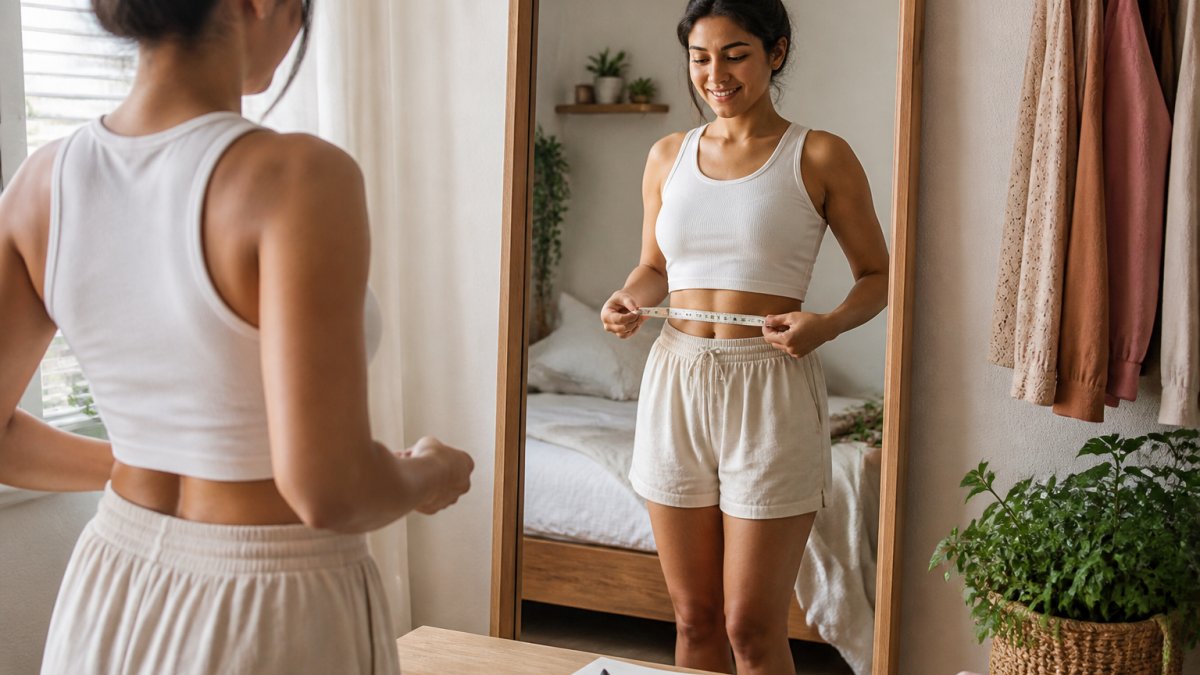
The safest purchase you'll ever make starts with a tape measure, not a shopping cart. Learning how to measure your body for clothing takes about five minutes and removes most of the guesswork from buying clothes online.
Here's the honest part: most sizing disasters don't happen because a brand lied. They happen because we guess. We order the size we "usually" wear and hope the cut matches.
Grab a soft tape and a friend if you can. Wear light clothing. Then measure:
- Bust: around the fullest part, tape level and snug
- Waist: at your natural waist, the narrowest point above your hip bones
- Hips: around the fullest part, usually 7-9 inches below your waist
- Inseam: from crotch to ankle bone on a pair you already love
Write the numbers down. Keep them in your phone notes. This is your baseline for every online store you shop, and it's the single most useful habit in buying clothes online.
2. How to Read Clothing Size Charts and Brand Sizing
Size charts are the closest thing to a contract between you and a clothing retailer. Learning how to read clothing size charts properly means comparing your measurements to the brand's numbers, not your usual size label.
Here's what most shoppers miss: a size 10 at one online store is not a size 10 at another. Brand sizing varies widely, and vanity sizing has pushed labels down over the years.
So use a simple routine:
- Open the size chart before you look at photos
- Match your bust, waist, and hip measurements to the chart
- If you fall between two sizes, size up for structured clothing and down for stretchy knits
- Check whether the chart lists garment measurements or body measurements, since they're not the same
Garment measurements tell you how wide the shirt actually is when laid flat. Body measurements tell you who it's designed to fit. Confusing the two is a common mistake.
3. How to Check Fabric Quality Online Before You Buy
Fabric quality online comes down to three clues: the material blend, the fabric weight, and the construction details in the product description. You can judge all three without touching the garment.
Start with the fiber content. Natural fibers like cotton, linen, and wool breathe and age well. A high percentage of polyester isn't automatically bad, but it changes how the piece drapes, washes, and wears over time.
Then look for weight language. Medium-weight fabric holds its shape. Heavyweight fabric feels substantial and hides lumps. Thin, lightweight fabric shows every line and pills faster.
Finally, scan for construction cues in the product photos and description:
- Button-front shirt: look for even stitching and a matched pattern at the placket
- Structured clothing: check for interfacing at the collar and cuffs
- Seams: flat seams and clean hems signal care in manufacturing
Fabric properties like stretch, breathability, and wrinkle resistance usually appear in the details section. Read them before you decide.
4. How to Spot Fake Online Stores and Misleading Listings
Spotting fake online stores is easier than it sounds once you know the signals. A counterfeit shop usually shows at least two of these red flags at once.
Check these before you enter any payment details:
- Seller contact details: a real store lists a physical address and a working phone or email. No address is a warning.
- Domain age and spelling: lookalike URLs with extra words or odd spellings are common in counterfeit stores.
- Product photos: stolen or watermarked images, or photos that don't match the product description
- Prices that are too low: deep discounts on in-demand items usually mean counterfeit products or a scam
- Policies: missing return policy, no privacy page, and vague shipping terms
A quick reverse image search on a product photo takes ten seconds and catches a lot of misleading listings. If the same photo appears on five unrelated sites, walk away.
5. Secure Checkout and Payment Protection Tips for Buying Clothes Online
Secure checkout is the moment that matters most in buying clothes online. Look for HTTPS and a padlock in the address bar, but don't stop there.
Payment method matters more than most shoppers realize. Credit cards generally offer stronger fraud protection than debit cards. Many card issuers let you dispute a charge for goods that never arrived or arrived damaged.
A few habits worth building:
- Use a credit card or a trusted payment service rather than a direct bank transfer
- Never pay by gift card, wire, or crypto on a retail site
- Keep the order confirmation email until the item arrives and fits
- Turn on transaction alerts so you see charges the moment they post
Avoid shopping on public Wi-Fi when you're entering card details. If you must, use your phone's cellular connection instead. It's a small step that closes a real gap.
FTC consumer guidance on safe online shopping
6. Read Reviews and Return Policies Before You Commit
Customer reviews and ratings are useful, but only if you read them the right way. A five-star average means little on its own. The three-star reviews usually tell the truth.
Look for reviews that mention fit, fabric after washing, and whether the item matched the product photos. Those are the details that predict your experience.
Then read the return policy before you buy, not after. Check four things:
| Policy Detail | What to Confirm |
|---|---|
| Return window | How many days you have to send it back |
| Return shipping | Who pays, and whether it's deducted from your refund |
| Refund vs. store credit | Whether you get money back or only credit |
| Final sale items | Which products can't be returned at all |
A generous return policy lowers your risk on any single purchase. A strict one means every order is a commitment, so read it twice.
7. Protect Your Privacy and Know Your Rights When Buying Clothes Online
Your personal information is part of the transaction, so treat it that way. A legitimate clothing retailer only needs your name, address, and payment details to complete an order.
Watch for these privacy habits:
- Skip optional fields that ask for your birthday or phone number unless required for delivery
- Review privacy settings and opt out of marketing sharing where you can
- Use a unique password for each retail account
- Check the delivery estimate and order tracking before you assume a package is lost
Knowing your rights helps too. Under FTC rules on mail order and online sales, sellers generally must ship within the time promised or offer you the option to cancel. If a package never arrives, contact the seller first, then your card issuer.
IdentityTheft.gov resources for reporting fraud
At Peach and Pantry, we keep sizing guides and clear product details on every listing so you can check the fit before you buy, and our inclusive sizing runs from S through Plus. We'd rather you order once and love it than order five times and return four.
Shopping online safely isn't about being paranoid. It's about a five-minute measuring habit, a quick scan of the seller, and a payment method that protects you if something goes wrong.
At Peach and Pantry, we're a women-owned boutique built for exactly this kind of shopper: inclusive sizing from S to Plus, detailed fit information, free shipping storewide, and weekly new arrivals so your wardrobe keeps moving with your personal style. Start with our size guides, then choose options that fit the body you actually have.
Frequently Asked Questions
How can I tell if an online clothing store is safe?
Check for HTTPS and a clear privacy policy. Look for a physical address and working phone number. Search the store name with 'scam' or 'reviews' on Google. Read independent reviews on sites like Trustpilot or the Better Business Bureau. Verify return and refund policies are easy to find. A legitimate store will never pressure you with countdown timers or demand payment by gift card or wire transfer.
What should I check before buying clothes online?
Before buying clothes online, confirm your measurements against the brand's size chart, not your usual size. Read the fabric composition and care instructions. Check customer photos and reviews for fit feedback. Review the return window and who pays return shipping. Confirm the checkout is secure (look for the padlock icon). Finally, verify the store's contact details and physical address so you know where to turn if something goes wrong.
How do I make sure clothes bought online will fit?
Measure your bust, waist, and hips with a soft tape, keeping it snug but not tight. Compare those numbers to each brand's specific size chart, since sizing varies widely. Read reviews that mention fit and whether items run small or large. Look for detailed product descriptions with garment measurements. When between sizes, size up for structured clothing and down for stretchy fabrics. Save your measurements in a note on your phone for quick reference.
What is the safest way to pay for clothes online?
Use a credit card or a trusted digital wallet like PayPal. Credit cards offer fraud protection under the Fair Credit Billing Act, letting you dispute unauthorized charges. Avoid debit cards, wire transfers, and gift cards, which offer little recourse. Never send payment outside the store's official checkout. Before paying, confirm the site uses HTTPS and that the padlock icon appears in your browser. If a deal seems too good to be true, it probably is.